
The Health and Understanding of Vertebral Discs
Your spine is one of the most remarkable structures in your body — strong enough to support your entire frame, yet flexible enough to allow you to move, bend, and twist. A big part of that flexibility and resilience comes from your vertebral discs — the cushion-like pads that sit between the bones (vertebrae) of your spine.
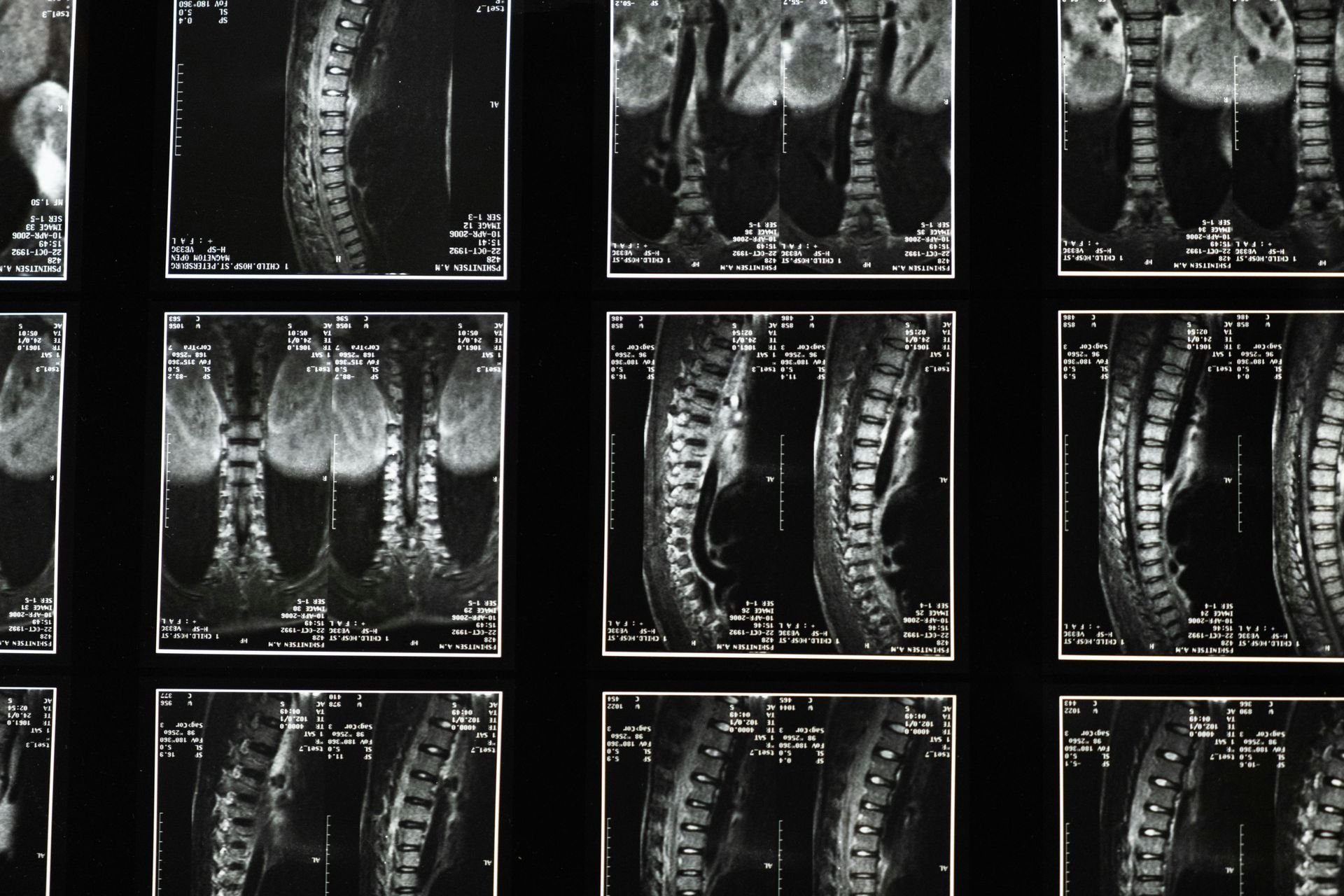
These discs often go unnoticed until something goes wrong, like a bulging or herniated disc, which can lead to pain, stiffness, or nerve irritation. Understanding how your discs work — and how to keep them healthy — can help you protect your spine for the long run.
What Are Vertebral Discs?
Each disc has two main parts:
- The Nucleus Pulposus: a soft, gel-like center that provides shock absorption and flexibility.
- The Annulus Fibrosus: a tougher, fibrous outer ring that keeps the nucleus contained and supports the structure of your spine.
Together, these components allow the spine to move smoothly while protecting it from stress caused by lifting, twisting, or impact.
Common Disc Issues
Over time, discs can become worn down, dehydrated, or injured. Some of the most common disc-related problems include:
- Bulging Discs: when the outer layer weakens and the disc begins to protrude outward, often causing nerve compression.
- Herniated Discs: when the inner gel-like material pushes through a tear in the outer layer, often resulting in pain, numbness, or tingling.
- Degenerative Disc Disease: a gradual loss of disc hydration and elasticity due to aging or repetitive strain.
These conditions can cause back pain, limited mobility, and even radiating symptoms down the arms or legs.
How Chiropractic Care Supports Disc Health
Chiropractic care focuses on maintaining proper spinal alignment, which helps reduce stress on the discs and surrounding structures. Here’s how it helps:
- Spinal Adjustments
Gentle adjustments improve spinal motion and alignment, helping distribute pressure evenly across the discs instead of allowing certain areas to bear excess load. - Improved Circulation and Hydration
Movement and proper alignment help your discs “breathe.” Because discs don’t have a direct blood supply, they rely on spinal motion to absorb nutrients and fluids. Regular adjustments and movement keep them nourished and pliable. - Posture and Core Strength Guidance
Your chiropractor can recommend specific exercises to strengthen the core and improve posture, which helps maintain a balanced spine and prevent future disc issues. - Reduced Nerve Irritation
When the spine is properly aligned, pressure on nearby nerves is reduced, alleviating pain and improving function.
Tips for Healthy Discs at Home
- Stay Hydrated: Discs are mostly water, so proper hydration keeps them flexible and resilient.
- Move Often: Prolonged sitting compresses the spine — take breaks to stand, stretch, or walk.
- Maintain Good Posture: Proper spinal alignment reduces unnecessary stress on discs.
- Strengthen Your Core: Strong abdominal and back muscles support the spine and reduce strain on discs.
- Lift Smart: Use your legs, not your back, when lifting heavy objects.
Your spinal discs are vital to your overall mobility and comfort — and they deserve the same care and attention you give to the rest of your body.
At Rainey Chiropractic, we focus on helping patients maintain strong, healthy spines through personalized care and education. Whether you’re dealing with back pain or simply want to protect your spinal health, consistent chiropractic care can make all the difference. Make your appointment with us today to keep your spine health in check!